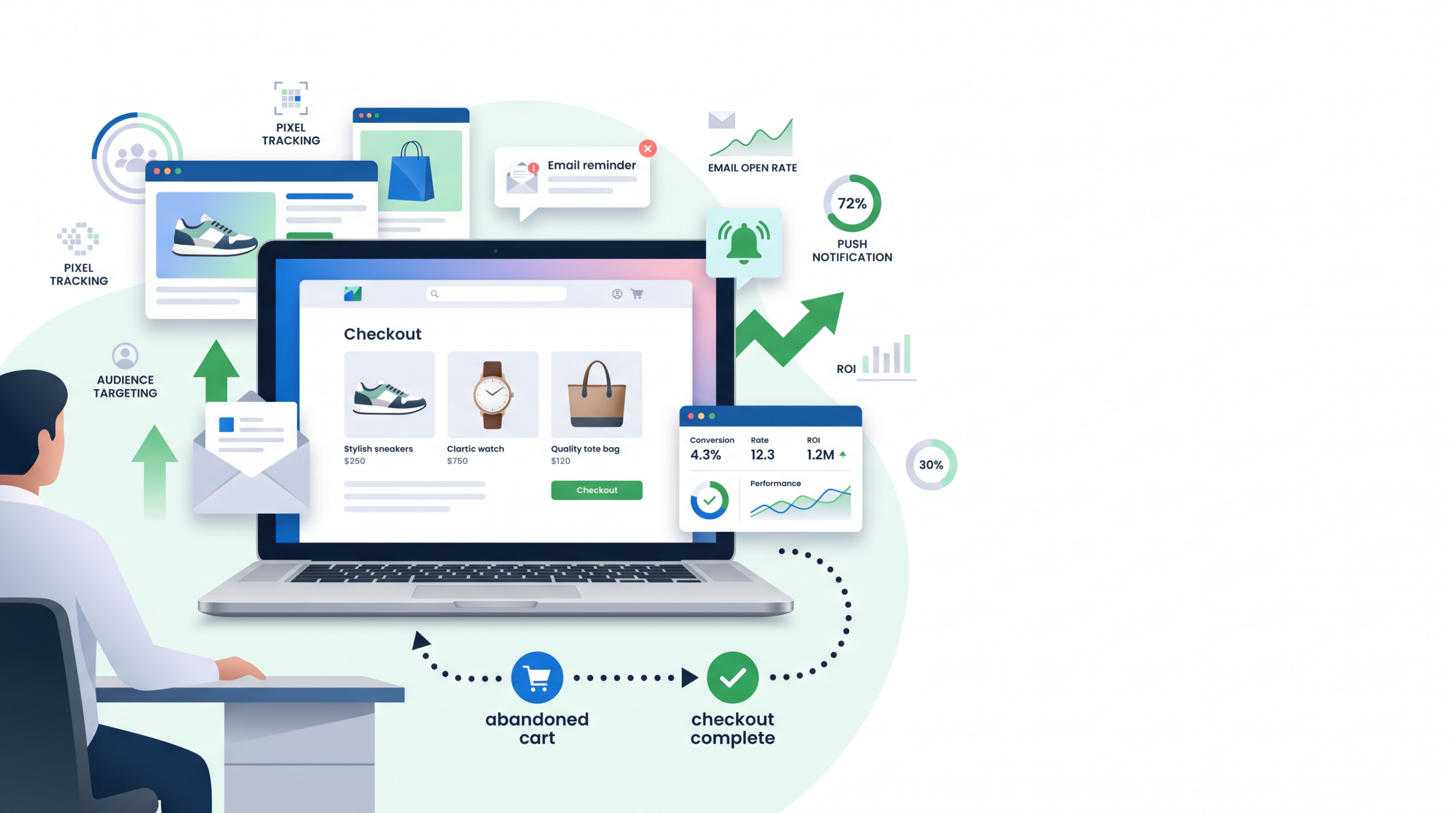
Yes, digital consumers can fill their shopping carts, make it all the way to your ecommerce checkout and still leave without completing the purchase.
Cart abandonment is frustrating, but it is a common occurrence and a challenge faced by most online retailers. That’s where the art and science of cart-abandonment prevention and responsible retargeting come into play.
In this guide, we lift the curtain on the top reasons behind shopping cart abandonment, ways to prevent it and strategic solutions that may help win customers back and improve conversion rates.
Cart Abandonment: Why Shoppers Abandon Their Carts
Online consumers abandon shopping carts for a variety of reasons, including the following.
They Are Caught Off Guard by Additional Costs
It’s a real mood killer when shoppers find the perfect item only to see the total price shoot up at checkout.
Unexpected shipping costs, taxes, currency conversions or other charges may cause shoppers to leave their carts and look for a better or more transparent offer elsewhere.
Display all unavoidable costs as early as practical. Clear shipping thresholds, delivery estimates and returns information can reduce unpleasant surprises during checkout.
They Have No Immediate Intention to Purchase
Just because someone has reached a later stage of the sales funnel does not mean they are ready to buy. Many people browse online stores simply to window-shop.
They may still be comparing prices, saving items, checking for possible discounts or exploring what is available. Some shoppers also use the cart as a temporary wish list.
The Checkout Process Is Complicated
Too many steps, excessive form fields or confusing navigation can frustrate online shoppers and cause them to abandon their carts.
Poor mobile usability, website errors, discount codes that do not work and unclear validation messages can create additional friction. Analyse abandonment by checkout stage to identify where people encounter problems.
Available Payment Options Are Limited
Some people have preferred payment methods, whether that is PayPal, a particular card, a suitable digital wallet or another trusted option. They may leave if their preferred payment method is unavailable or a payment attempt fails.
Offer payment options that are appropriate for your audience and business. Clearly explain failures and allow customers to retry or select a different payment method without re-entering all their information.
Creating an Account Is Required
Requiring shoppers to create an account before completing a purchase is another common cause of abandoned carts.
Account features such as order tracking and personalised recommendations can be useful, but many customers consider registration an unnecessary obstacle, especially when they are in a hurry or making a one-off purchase.
Offer guest checkout where practical and invite customers to create an account after the transaction using the information they have already provided.
They Have Concerns About Security or Trust
Digital consumers are increasingly alert to security and privacy warning signs. If an ecommerce website does not appear trustworthy, customers may hesitate to provide payment or personal information.
Use HTTPS throughout the checkout, reputable payment providers, accurate contact information, clear shipping and returns policies, authentic reviews, accessible support and an up-to-date privacy policy. Trust badges should be genuine and verifiable rather than decorative claims.
Top Abandoned-Cart Retargeting Strategies
Reminding shoppers about unfinished purchases—and inviting them to return when appropriate—can be achieved through the following strategies.
Run Effective Retargeting Ads
One way to re-engage eligible cart abandoners is through a properly configured retargeting campaign.
Depending on your audience and platform eligibility, this may include Google Display, YouTube, Search audience segments and other Google Ads campaign types, as well as Facebook and Instagram advertising managed through Meta Ads Manager.
Reasons these campaigns can work include:
- They can reconnect with consented users who previously interacted with your site but did not convert.
- They can keep your business visible while the potential customer is still considering the purchase.
Dynamic retargeting can show eligible visitors products or services they previously viewed. For ecommerce retailers, this normally requires an accurate product feed, appropriate website or server-side events, and an advertising-platform setup that complies with applicable policies and privacy requirements.
Showing a relevant item can remind a shopper of the cart they left behind. However, avoid revealing sensitive activity, making uncomfortable assumptions or using overly persistent messaging.
Immediately exclude people who complete a purchase, respect opt-outs, avoid advertising unavailable products and use sensible audience-duration and frequency settings. Coordinate ads with email, SMS and push notifications so the total volume of reminders does not become excessive.
Leverage Abandoned-Cart Email Marketing
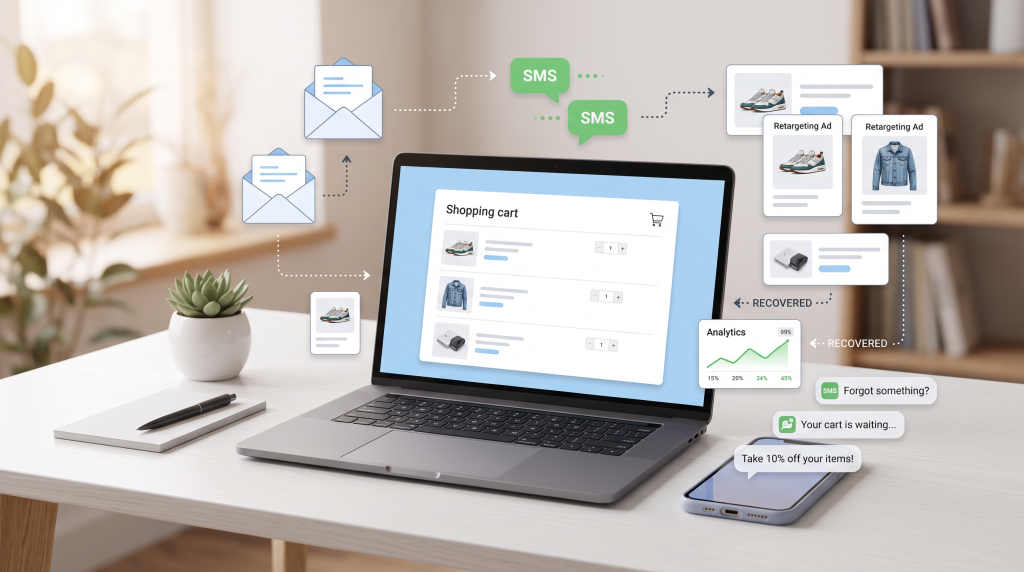
If a customer provided an email address and you have an appropriate legal basis and consent to send the message, an abandoned-cart email campaign may help re-engage them.
Personalisation can be useful, but it should be proportionate and based on information the customer reasonably expects you to use. A first name and accurate cart contents may be sufficient. Avoid unnecessary profiling or recommendations that could feel intrusive.
Any scarcity or urgency claim must be truthful. Only describe an item as limited, low in stock or available for a restricted period when that statement is accurate and supported by current inventory or offer conditions. False urgency can damage customer trust.
Timing is also an important part of an email recovery strategy.
One sequence you can test is:
- Email 1: Send within 30 minutes to one hour after abandonment.
- Email 2: If the customer has not purchased or opted out, send a follow-up after approximately 24 hours.
- Email 3: Send a final reminder after approximately 72 hours when appropriate.
This schedule is an example rather than a universal rule. Test timing against the product’s price, purchase cycle and your audience’s behaviour. A high-consideration purchase may require a different approach, and some businesses may achieve better results with fewer messages.
An example first email could read:
Subject line: John, you left something in your cart
Hi John,
We noticed you left a few items in your cart. If you would still like them, you can return using the button below:
[Return to My Cart]
If you experienced a problem or have a question, our team is here to help.
Best regards,
…
Only state that products may disappear or an offer will expire when that is genuinely true. Stop the sequence immediately after purchase, consent withdrawal or an unsubscribe request.
Consider SMS, MMS or Push-Notification Remarketing
SMS, MMS and push notifications can reach customers directly, but they should not be used simply because reported industry open rates appear high. Performance varies substantially by audience, industry, message, timing and source, so measure your own results rather than relying on unsupported headline statistics.
Australian commercial email and messaging campaigns must comply with the Spam Act 2003 and other applicable rules. Businesses are generally responsible for proving consent, accurately identifying the sender and providing a functional unsubscribe option. Unsubscribe requests must be honoured within the required period. Obtain legal advice where necessary, particularly when operating across jurisdictions.
SMS may suit time-sensitive reminders for customers who have knowingly opted in. MMS can include visual media but may cost more and may not provide enough additional value to justify that cost. Push notifications require permission and should include straightforward preference controls.
Do not assume that a purchase completed after a notification was caused by that message. Use appropriate attribution methods and, where practical, control or holdout groups to estimate whether the campaign generated incremental sales.
Respect Privacy, Consent and Customer Choice
Retargeting depends on customer and behavioural data, including information collected through advertising pixels, cookies, tags, server-side events, customer lists and messaging systems.
Explain these practices clearly in an up-to-date privacy notice. Provide appropriate notice and choice when deploying marketing or advertising trackers, honour opt-outs and collect consent where required. Extra care is needed when data may reveal sensitive information or when campaigns involve children or vulnerable people.
Server-side technologies such as Meta’s Conversions API are not a way to bypass browser controls, platform policies or privacy law. Collect only the information you need, restrict access, maintain appropriate retention periods and use the data only for disclosed purposes.
Requirements vary according to location, customer, technology and message type. The information in this article is general and should not replace advice about your organisation’s legal obligations.
A/B Test and Optimise Your Retargeting Strategy
Which cart-recovery strategies are working, and which need improvement?
Analytics, automation and AI-assisted tools can help track and optimise campaigns, but they still require accurate data, suitable consent, human review and business safeguards. Use performance data to make informed decisions rather than allowing automated systems to operate without oversight.
Elements you can test include:
- Ad copy: Test headlines and descriptions to determine which messaging resonates.
- Call to action: Compare suitable CTAs to see which prompts more qualified return visits.
- Visuals: Compare images, videos and graphics to identify useful creative approaches.
- Ad format: Test formats such as carousel, single-image and video advertising where available.
- Special offers: Compare incentives such as free shipping or discount codes, accounting for their effect on margin.
- Placement: Evaluate performance across suitable platforms and placements.
- Timing: Test intervals and campaign duration rather than assuming one schedule works for everyone.
- Frequency: Monitor exposure across channels to reduce fatigue, complaints and wasted spending.
Where practical, test one major variable at a time and use a sufficient sample. Measure recovered revenue, contribution margin, cost per recovered order and incremental lift—not clicks alone. Also monitor unsubscribe rates, advertising opt-outs, complaints, returns and the cost of discounts.
Preventing Shopping Cart Abandonment
There are many strategies you can use to prevent lost sales and reduce cart abandonment. Prevention should come before paid recovery: fix checkout problems first, measure where abandonment occurs and then use compliant retargeting for suitable customers.
Make checkout as easy and quick as practical. Accommodate relevant payment preferences, minimise unnecessary steps and fields, and offer guest checkout for customers who do not want to create an account.
Build trust with customers. Protect payment information, explain how personal data is handled and display accurate shipping, returns and refund information. Authentic customer reviews and social proof can help when presented honestly and with appropriate permission.
Allow customers to save carts or add items to a wish list. This can help them return later without starting from scratch. Send reminders only when the customer has provided the required permission, and allow them to control or stop those messages easily.
Ensure customers can get help if they encounter a problem. Offer suitable support channels such as live chat, telephone or email. Prompt and useful responses can reduce abandonment when customers have checkout questions or concerns.
Digital buyers expect a user-friendly interface, responsive pages and straightforward navigation. Focus on these areas, transparent pricing and a reliable checkout to reduce abandonment and support conversions.
Recover Abandoned Carts With Domain Bird’s Remarketing Experts
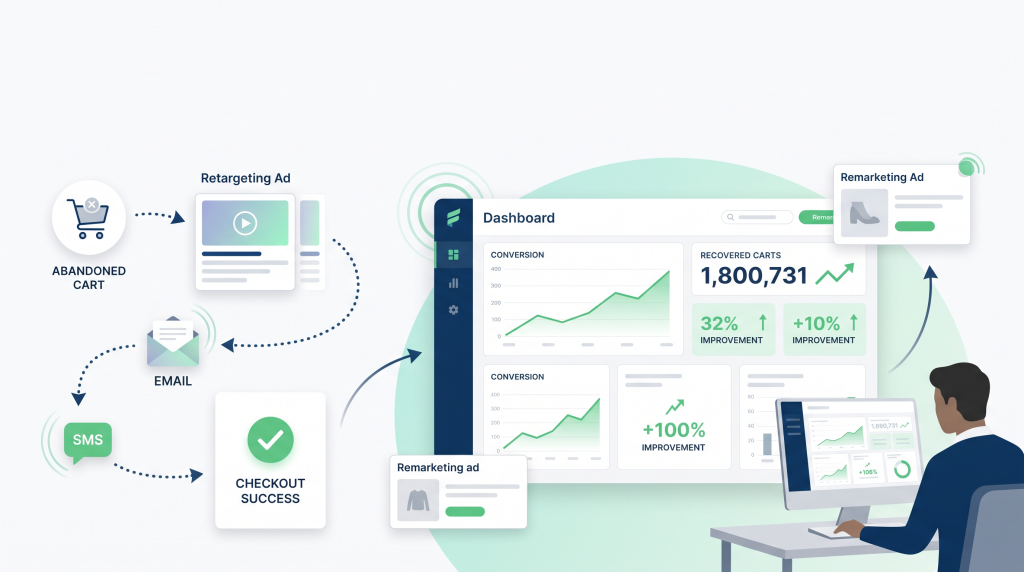
Need a professional digital advertising marketer to manage your retargeting campaigns?
Domain Bird is a Google Partner-certified PPC agency with experience delivering measurable client results.
For more information about what we do and how we tailor campaigns to each business, book a consultation and request a free campaign audit.
Get in touch with one of our dedicated marketing experts today.
TABLE OF CONTENTS
- Cart Abandonment: Why Shoppers Abandon Their Carts
- Top Abandoned-Cart Retargeting Strategies
- Preventing Shopping Cart Abandonment
- Recover Abandoned Carts With Domain Bird’s Remarketing Experts